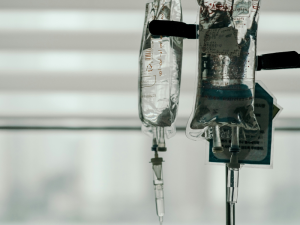

In recent times, the trend of IV drip after drinking has become increasingly popular as a quick solution to recover after alcohol consumption. Many consider this therapy practical for treating dehydration and fatigue. However, despite its benefits, there are risks that should not be ignored, especially if performed without medical supervision.
Risks of Side Effects of Doing an IV Drip After Drinking
One of the main reasons it’s important to consult a doctor is to prevent serious side effects. Not everyone’s body reacts the same to IV fluids. Some individuals can experience allergic reactions to certain components, especially if they have a specific medical history. With initial testing, this risk can be significantly minimized.
Threat of Vitamin Overdose
Infusion therapy often contains various vitamins, including high doses of vitamin C. Without proper calculation, this condition can trigger hypervitaminosis C. Symptoms include nausea, dizziness, diarrhea, and headaches. Consulting a doctor ensures that the dosage administered remains safe and appropriate for the body’s needs.
Impact on Kidney Function
Administering excess nutrition via IV drip after drinking also has the potential to burden the kidneys. In some cases, this condition can impair kidney function, especially in individuals with certain medical conditions. A medical examination is necessary to ensure the body is able to tolerate the therapy without long-term risks.
Dangerous Drug Interactions
Not many people realize that infusion therapy can interact with medications they have recently taken. Some substances in the infusion can affect the effectiveness of the medication or even cause unwanted effects. The doctor will assess these potential interactions before the procedure is performed.
Adjustments and Safe Procedures
Each individual’s condition requires a different approach. The doctor will usually check blood pressure, medical history, and overall physical condition. Furthermore, the infusion procedure must be performed by a medical professional to avoid complications such as speed shock, a reaction caused by fluids entering the body too quickly.
Although IV drip after drinking may seem like an immediate solution, this step still requires careful medical consideration. Consulting with a doctor is not just a formality, but a crucial part of ensuring the safety and effectiveness of the therapy.